
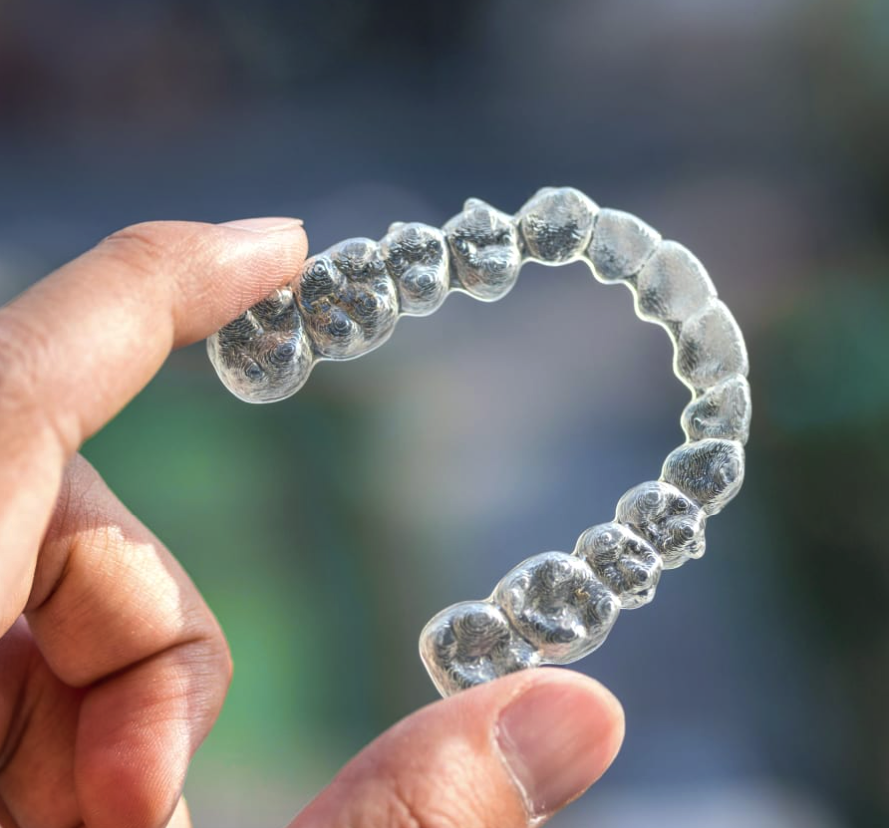
For many years, the path to a straighter smile often meant navigating a mouth full of metal braces. While effective, traditional orthodontics presented challenges for both aesthetics and daily life. Today, thanks to advancements in dental technology, there’s a highly effective and virtually invisible alternative: ClearCorrect. At Mulkins Main Dental in Stittsville, we’re proud to offer ClearCorrect as a comfortable and convenient way for adults and teens alike to achieve the smile they’ve always wanted. Learn more about how aligner therapy compares to braces in our Braces vs. Clear Aligners article.
What is ClearCorrect and How Does It Work?
ClearCorrect is an orthodontic system that uses a series of custom-made, clear, removable aligners to gradually shift your teeth into their desired positions. Each aligner is precisely engineered to apply gentle, controlled pressure, moving your teeth incrementally over time. Approximately every two weeks, you’ll switch to the next set of aligners in your series, gently progressing your smile transformation.
The Clear Advantages of ClearCorrect
Choosing ClearCorrect over traditional braces offers a host of benefits that seamlessly integrate into your lifestyle:
- Virtually Invisible: The aligners are made from clear, thin plastic, making them almost unnoticeable. This is a huge advantage for adults and teens who prefer a more discreet orthodontic treatment. You can smile, speak, and laugh with confidence throughout your treatment.
- Removable for Convenience: Unlike fixed braces, ClearCorrect aligners can be removed for eating, drinking, brushing, and flossing. This means no food restrictions, and maintaining excellent oral hygiene is significantly easier. Just remember to wear them for 20-22 hours a day for optimal results. Maintaining good oral hygiene habits is easier when paired with routine professional dental cleaning.
- Enhanced Comfort: Made from smooth plastic, ClearCorrect aligners eliminate the irritation often associated with metal brackets and wires rubbing against your cheeks and gums. While you’ll feel some pressure as your teeth move, it’s generally a more comfortable experience.
- Predictable Results: With advanced digital scanning and treatment planning technology, we can map out your entire smile journey from start to finish. You can even see a virtual representation of your expected results before you even begin!
- Improved Oral Hygiene: Because the aligners are removable, you can brush and floss your teeth as you normally would, promoting better overall oral health during your treatment.
Your ClearCorrect Journey at Mulkins Main Dental
Beginning your ClearCorrect journey with Dr. Pilipenko and our team at Mulkins Main Dental in Stittsville is straightforward and personalized:
- Initial Consultation: We’ll conduct a thorough examination of your teeth and bite, discuss your smile goals, and determine if ClearCorrect is the right solution for you.
- Digital Scans & Treatment Plan: Using state-of-the-art digital scanning, we’ll create a precise 3D model of your teeth. From this, your customized treatment plan will be designed, showing the exact movements of your teeth.
- Receive Your Aligners: Once your custom aligners are fabricated, you’ll receive your first sets along with detailed instructions on how to wear and care for them.
- Regular Progress Checks: You’ll visit our Stittsville clinic periodically for quick check-ups to monitor your progress and receive your next sets of aligners.
- Retention: After your treatment is complete, we’ll provide retainers to ensure your beautiful new smile stays perfectly in place for years to come.
Why Choose Mulkins Main Dental for ClearCorrect in Stittsville?
When embarking on an orthodontic journey, choosing the right provider is key. At Mulkins Main Dental, we offer:
- Experienced Care: Our dental team, led by Dr. Pilipenko, has extensive experience in clear aligner therapy, ensuring your treatment is in skilled hands.
- Advanced Technology: We leverage the latest digital imaging and planning tools for precise and efficient ClearCorrect treatment outcomes.
- Personalized Approach: We take the time to understand your unique needs and goals, crafting a ClearCorrect plan that’s specifically for you.
- Convenient Stittsville Location: Our clinic is easily accessible for residents throughout Stittsville and the surrounding Ottawa West communities.
Ready for a Straighter, More Confident Smile?
If you’re ready to transform your smile discreetly and comfortably, ClearCorrect could be the ideal solution for you. Contact Mulkins Main Dental today to schedule your ClearCorrect consultation. Let’s discuss how we can help you achieve the radiant smile you’ve always dreamed of! You can get started by reaching out through our contact page.
[/et_pb_text][/et_pb_column][/et_pb_row][/et_pb_section]