Wisdom teeth don’t always come in the way they should.
When there isn’t enough space, they can cause pain, swelling, or crowding.
We’ll assess your situation and let you know if removal is the right next step.
When Wisdom Teeth Cause Problems
Wisdom teeth are the last teeth to develop, usually in the late teens or early adulthood.
When there isn’t enough room, they may:

- Come in at an angle
- Get stuck below the gums
- Create space for bacteria to collect
- Pain or pressure at the back of the mouth
- Swelling or infection
- Crowding or shifting of other teeth
- Difficulty cleaning the area


When Removal Is Recommended
We may recommend removing wisdom teeth to prevent future complications.
This is often done to:
- Reduce the risk of infection
- Prevent damage to nearby teeth
- Avoid crowding, especially before orthodontic treatment
- Address pain or swelling
What to Expect
We’ll start with an assessment to understand your situation.
During your visit, we will:
- Examine your teeth and jaw
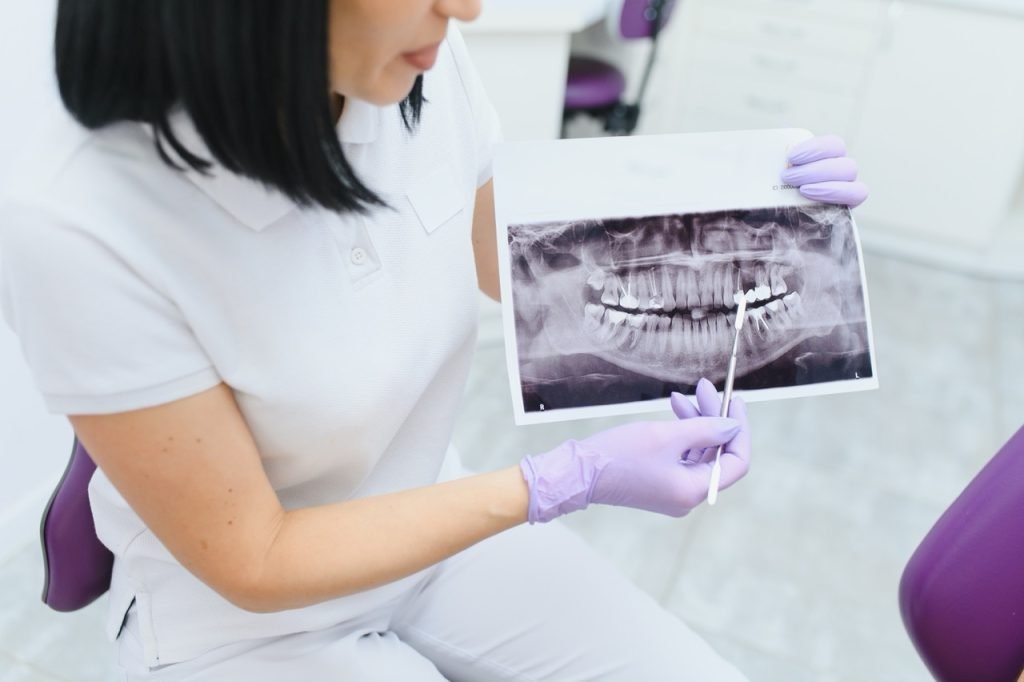
- Take X-rays to see how the wisdom teeth are positioned
- Explain whether removal is recommended
- Walk you through your options
Comfort During Treatment
Your comfort is important to us.
We offer:
- Local freezing to keep the area numb
- Nitrous oxide (laughing gas)
- Oral sedation to help you feel more relaxed
After the Procedure
After removal, we’ll provide clear instructions to support healing.
Most patients can expect:
- Some swelling or mild discomfort for a short time
- Guidance on eating and care
- Follow-up if needed
If you’re experiencing discomfort or have been told your wisdom teeth may need to be removed, we can help
Click below to book an assessment and understand your next steps.